Wow, I can't believe that it's been over 30 months since I was writing my application to Dartmouth as a high school senior. Today, I'll go line by line to see how my "Why Dartmouth?" essay has evolved over these past two years.
Dartmouth Admissions
Dartmouth College Admissions
Dartmouth in a Word?


People Places Pines


If you're an admitted student, Dartmouth chose you. Here's why you should choose Dartmouth, in my opinion.

Martin Skacel
2027


I'm graduating in a little less than two months. Find out what's next for me after Dartmouth.

Kennedy Hamblen
2024

When I first got into Dartmouth, I was confused as to how you get there. Let me break it down!

Kabir Beotra
2026

I have written about being a student worker plenty of times in the past, but I have yet to talk about one of my favorite jobs ever: ticket selling at the Hopkins Center for the Arts.

Eda Naz Gokdemir
2025

Congratulations to all the amazing, intelligent, passionate and outstanding members of Dartmouth's Class of 2028.

Chidera Duru
2025

At Dartmouth, there is an undergraduate requirement for language; after all, it is the liberal arts! Fulfilling this requirement looks different for various people and I will focus on my experience.

Lily Johnson
2027

Why Dartmouth? I don't think it begins with the school—more so with who you want to be.

Nathan Hammerschmitt Le Gal
2027

On Monday, April 8, 2024, a phenomenal total solar eclipse occurred — and we happened to be within the path of totality. As a result, Dartmouth hosted a variety of eclipse-related events on- and off-campus. Find out how I spent the eclipse!

Cal Shin
2027

Yes. You can afford Dartmouth.
100
Percent of demonstrated financial need met, no matter who you are or where you're from.
How Financial Aid WorksRead 3D Magazine
Innovating For Impact
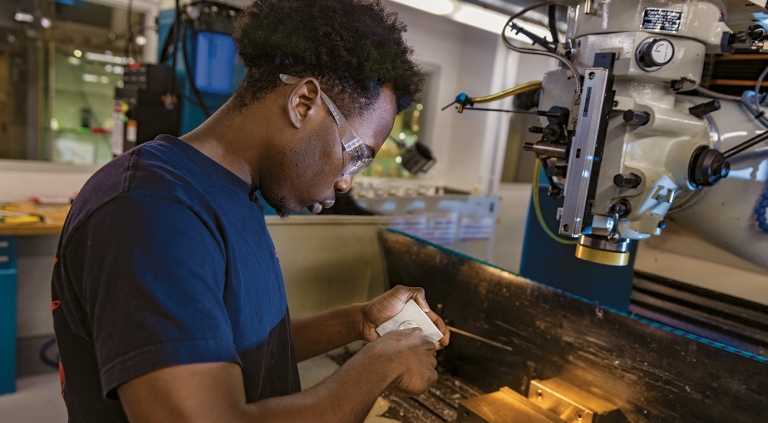
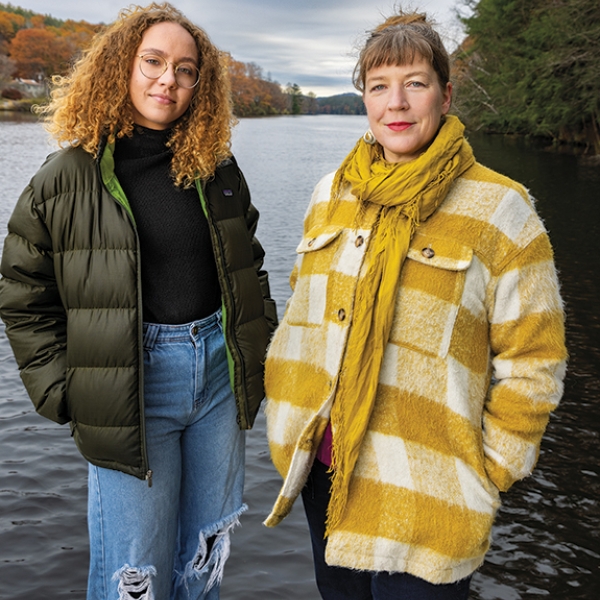
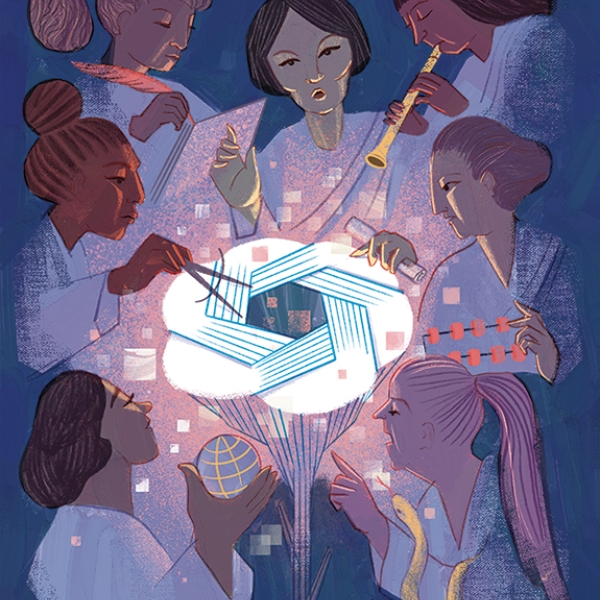
Innovative ideas come to life at Dartmouth, where bold solutions to the world's most pressing challenges spark collaboration across disciplines—and undergraduates play key roles in making that happen
Innovating For Impact
Innovative ideas come to life at Dartmouth, where bold solutions to the world's most pressing challenges spark collaboration across disciplines—and undergraduates play key roles in making that happen

A 360-Degree Education
For Dartmouth professors, teaching is a passion, a calling, a way of life. Mentorship is instinctive, one of the most rewarding aspects of their scholarship. Dartmouth faculty members are also pioneering researchers and influential thought-leaders. Their work with students helps them advance the frontier of knowledge and helps students advance their careers. Dartmouth classrooms are interactive, collaborative, discussion-based environments.
Areas of StudyScholars Who Teach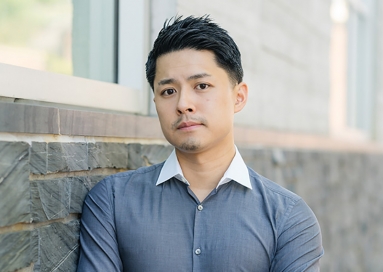
William Cheng
Associate Professor of Music
"I work at the intersection of sound and justice. By lending an ear to imperatives of care and accessibility, I engage questions about vulnerability, solidarity, and survivability of humans and humanity in late-capitalist environments. My research asks how music and musicians can help us answer these questions."
Learn More About Arts and Performing Arts Programs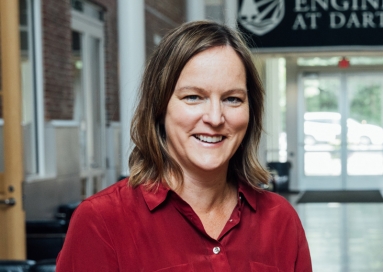
Vicki May
Associate Professor of Engineering
"Many years ago, architects and engineers were the same thing—master builders. The field of engineering has become increasingly specialized, especially at schools and in some companies. That has made the field more narrow and scientific. But I think science and engineering should be about discovery."
Learn More About Engineering Programs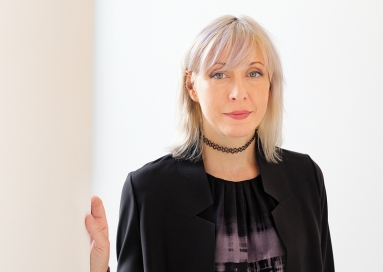
Mary Flanagan
Sherman Fairchild Distinguished Professor in Digital Humanities
"Games are broadly interdisciplinary. They encompass computer science, psychology, sociology, music, art, neuroscience, and more. They're what the liberal arts are all about. We teach our students to think across disciplines. They develop their ability to attack problems, ask productive questions, and invent fresh solutions."
Learn More About Humanities Programs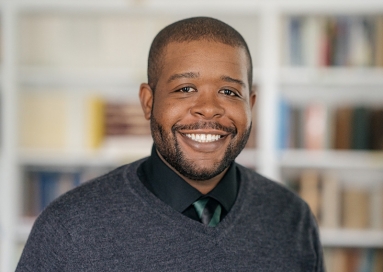
Vaughn Booker
Assistant Professor of Religion and African and African American Studies
"I help students understand that racial identity and religious belonging have never remained unchanging in American history. To comprehend religion and race, students must account for histories of nuance, according to region, age, class, gender, sexuality, ethnicity, and enslaved/free/citizenship status."
Learn More About Interdisciplinary Programs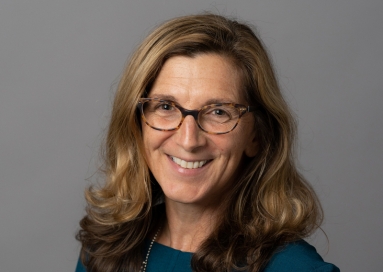
Lisa Baldez
Professor of Government, and of Latin American, Latino and Caribbean Studies
"My research examines the extent to which formal institutional rules shape the possibilities for achieving gender inequality. I focus on human rights treaties, specifically the United Nations convention to Eliminate All Forms of Discrimination Against Women, gender quota laws, and the Equal Rights Amendment."
Learn More About Interdisciplinary Programs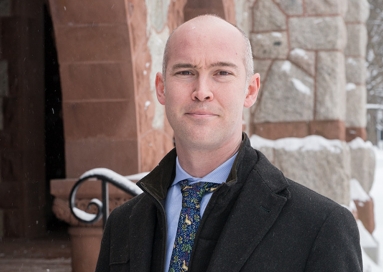
Nicola Camerlenghi
Associate Professor of Art History
"Dialogue and conversation about the architecture brings it alive, both for me and the students. This stuff is more than just an image on a screen. Making it part of a bigger discussion about Rome, about what buildings do--that's been personally rewarding for me."
Learn More About Arts and Performing Arts Programs
Admissions Beat Podcast
Basecamp to the World
Measure glaciers in Antarctica with climate-change scientists. Perform with a renowned theater group at Kings College London. Study the Maori language in New Zealand. Arranged through Dartmouth's Frank J. Guarini Institute for International Education, these powerful learning experiences are enhanced through faculty mentorship.
Start Here View Locations List